The Math Before the Microphones: How Committee Ratios Will Shape the 120th Congress
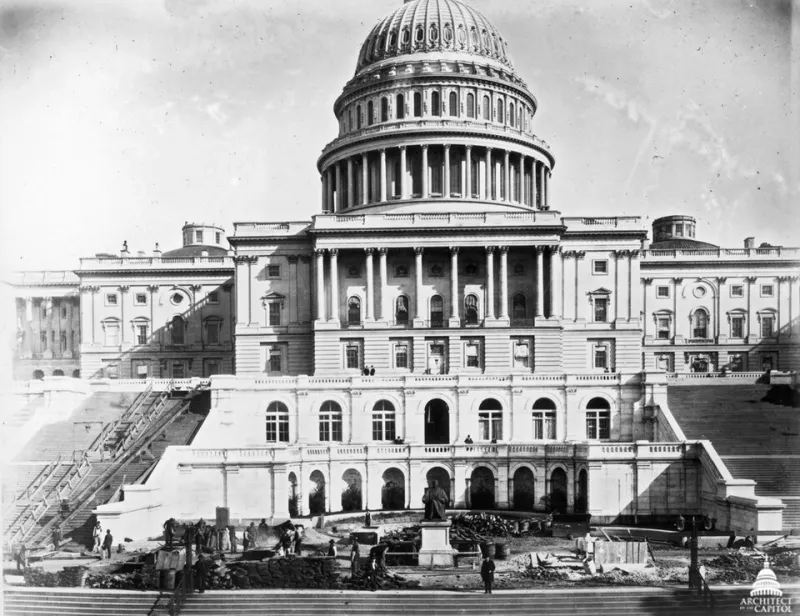
Photo: USCapitol, Public domain, via Wikimedia Commons
The ballots have been counted, the ads have stopped, and the winners are preparing for January. But the most consequential decisions about the 120th Congress are not being made on the floor or in press conferences. They are being made in the unglamorous arithmetic of committee ratios, staff allocations, and organizing resolutions — the internal rules that determine which committees can act, which members can speak, and which investigations will have the votes to proceed.
For readers outside Washington, committee ratios can sound like inside baseball. They are not. In a narrowly divided Congress, the difference between a 13-10 committee and a 12-11 committee is the difference between a chairman who can issue a subpoena on a party-line vote and one who must negotiate for every document request. It is the difference between a subcommittee that can advance a bill and one that cannot. The ratio is the real majority.
The Organizing Resolution Is the First Real Vote
Before the 120th Congress swears in on January 3, 2027, both chambers must adopt organizing resolutions. In the House, this is typically a package that sets the rules of the chamber, establishes committee ratios, and often includes committee funding levels. In the Senate, organizing is usually done by unanimous consent or a simple resolution, but the same principle applies: the majority party proposes, the minority party negotiates, and the numbers set the boundaries for the next two years.
The House Committee on House Administration and the Senate Committee on Rules and Administration play central roles in funding. Committee budgets are not an afterthought. They pay for investigators, counsel, economists, and schedulers. A committee with a generous funding resolution can run a sustained oversight campaign; a committee with a lean budget cannot. When party leaders negotiate the organizing package, they are not just dividing seats. They are dividing capacity.
Subcommittee lineups matter just as much. A full committee may have a comfortable majority, but a subcommittee with a one-seat margin can become a bottleneck. Chairmen decide how many subcommittees to create, which jurisdictions to split, and where to place vulnerable members. Those choices are made before the first hearing, and they often determine which issues get a serious look and which quietly stall.
Where the Math Will Matter Most
In the House, the committees to watch are the ones with broad investigative reach and narrow partisan margins. Oversight and Government Reform, Judiciary, Ways and Means, Energy and Commerce, Financial Services, and Appropriations all have jurisdiction over the agencies, industries, and programs that dominate the federal agenda. If the majority holds only a handful of seats, a single absence or defection can change the outcome of a markup. A chairman who wants to issue a subpoena under House rules may need every member of his side present and voting.
That is why subpoena schedules are already being drafted alongside committee ratios. A committee that expects a 12-11 split may choose a slower, more incremental document request strategy. A committee with a 14-9 split may move more aggressively. The ratio does not just affect the vote on the floor; it affects the strategy before the vote.
In the Senate, the margins are even tighter by design. A 53-47 chamber produces committees with one-vote majorities on panels of 27 or 29 members. On Judiciary, Finance, Health, Education, Labor, and Pensions, Homeland Security, and Appropriations, a single senator can force a second meeting, delay a nominee, or extract concessions. Senate committee rules often allow the minority to request a one-day hold or to demand a roll call. Those procedural rights become more valuable as the ratio narrows.
The Senate also confirms presidential nominees. A committee with a one-vote margin can report a nominee to the floor, but the same margin can complicate the behind-the-scenes negotiations over background checks, ethics reviews, and agency commitments. In 2027, the committees handling Justice Department, Treasury, and Health and Human Services nominees will be the ones where ratio math is most visible.
Funding Follows the Ratio
Committee funding is often overlooked because it is packaged with the organizing resolution. But the money matters. The House Committee on House Administration recommends funding levels for each committee, and the Senate Rules Committee does the same. Those levels are usually based on the ratio, the size of the majority, and the committee's jurisdiction. A committee with a slim majority often receives a smaller staff allocation than a committee with a comfortable margin, because the majority party does not need as many votes to control the outcome.
That creates a paradox. The committees with the narrowest margins often have the most contentious oversight agendas, but they may have the least staff capacity to pursue them. A chairman may respond by concentrating resources on a few high-profile investigations rather than broad oversight. The minority may respond by using its own staff to document disagreements and prepare for floor fights. The result is a committee that looks quiet from the outside but is actually negotiating every request, every letter, and every deposition schedule.
Why the Quiet Math Beats the Loud Speeches
Floor speeches are designed to be seen. Committee ratios are designed to work. The member who speaks for ten minutes on the House floor may influence the debate, but the member who controls the committee calendar influences what becomes law. The organizing resolution sets the terms of that control before the first bill is introduced.
For the 120th Congress, the lesson is simple: watch the ratios, the funding resolution, and the subcommittee assignments. They will tell you more about what Washington can investigate and legislate in 2027 than any opening-day speech. The microphones will get the attention. The math will get the power.