The Committee Room Is Where the Receipts Are
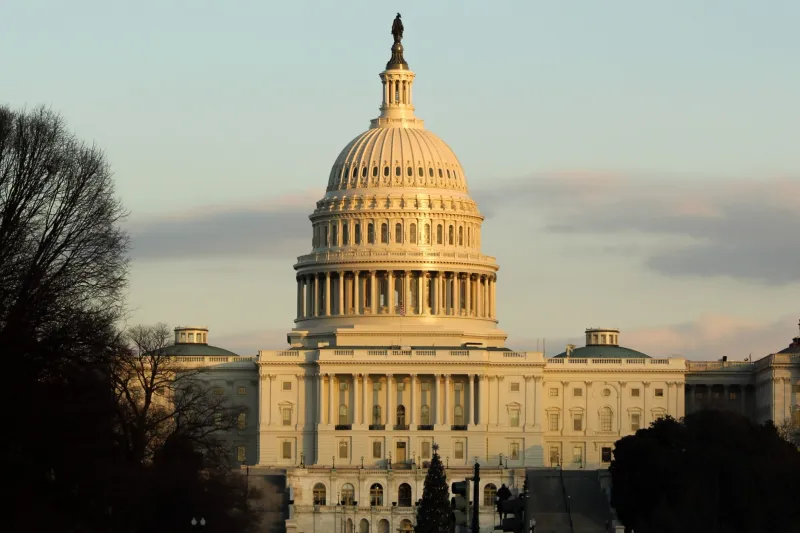
Campaign coverage is built for speed. A rally produces a sound bite, a cable hit produces a reaction, and both are gone by the next news cycle. The committee room is built for something else. It produces transcripts, sworn testimony, agency commitments, and letters that arrive weeks later. In 2026, as campaign season again threatens to swallow the Capitol Hill agenda, the most useful political information is often buried on C-SPAN 2 at 10 a.m. on a Tuesday.
This is not an argument that hearings are always edifying. They can be theatrical, thinly attended, and dominated by members who are auditioning for a larger audience. But the boring hearing has one advantage that the campaign trail does not: it creates a record. And in a year when both parties are eager to narrate what government is doing, the record is the thing that can be checked.
Why the Format Still Works
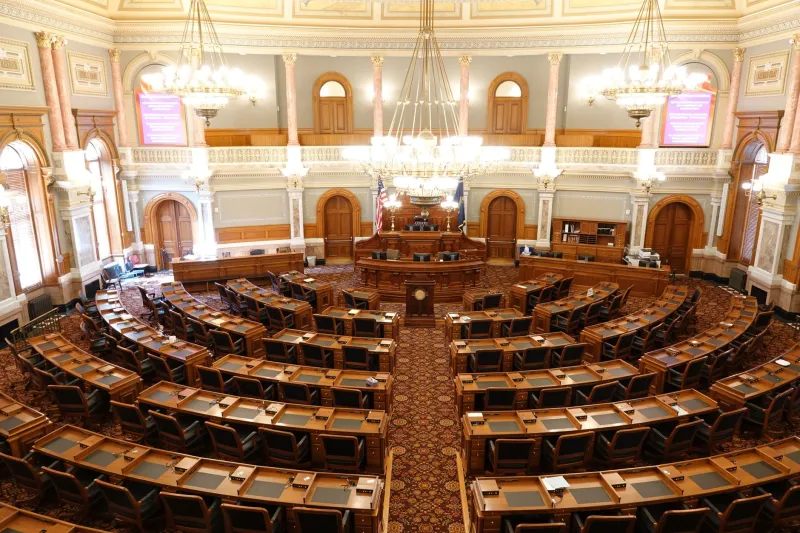
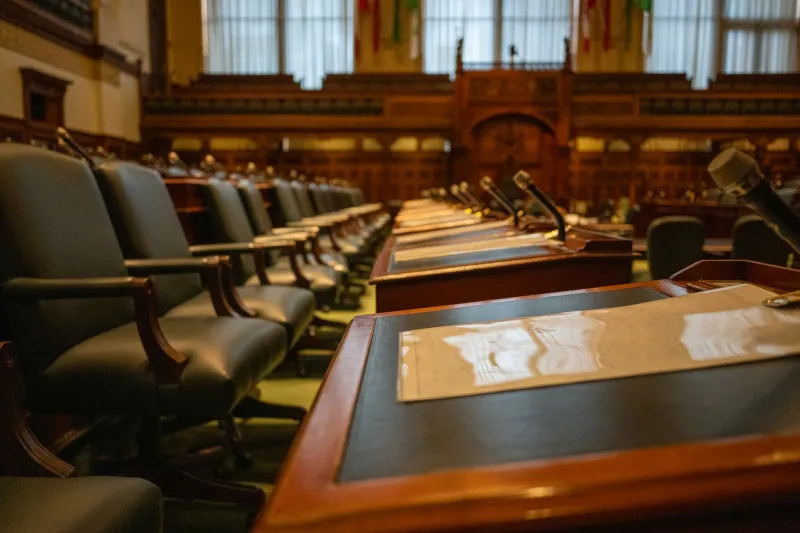
The hearing format is not glamorous, but it is unusually revealing. Cameras are fixed. There is no applause line. Witnesses are under oath. Members get five-minute rounds, which means they must choose a line of questioning rather than deliver a speech in fragments. Agency officials bring prepared statements, but the questions often force them into specifics: dates, numbers, backlog totals, contract terms, and the difference between a pilot program and a permanent one.
The result is a kind of adversarial bookkeeping. A lawmaker asks whether a program is working. A witness says it is. A member asks for the metric. The witness says the metric is still being developed. That exchange may not trend, but it tells you more about implementation than a press release ever will.
Three 2026 Hearings Worth the Rewind
This year's hearing calendar has produced several sessions that deserve more attention than they received. A House Oversight subcommittee hearing on federal permitting delays became useful when a witness committed to publishing a quarterly backlog dashboard rather than defending the existing process. The commitment was not dramatic. It was specific. That is what makes it worth tracking.
A Senate Homeland Security hearing on border technology procurement turned on a simpler question: had anyone independently evaluated the pilot programs before expanding them? The answer, delivered in fragments across several rounds of questioning, was that some evaluations were incomplete. Members from both parties pressed the same point. When that happens, it is usually a signal that the issue has moved past message discipline.
A Senate Finance hearing on Medicare telehealth produced a similar moment. An administrator acknowledged that post-pandemic fraud controls remained interim. A low-profile senator from a rural state asked how the interim controls treated billing codes used by small clinics. The answer was more detailed than anything in the agency's public guidance. The hearing did not settle the policy. It did expose the gap between the guidance and the practice.
Those examples are not famous. That is the point. The hearings that shape policy are often the ones that do not generate a cable news clip.
How to Watch a Hearing Like a Staffer
Viewers do not need to watch every minute. They need to know where the useful moments tend to occur.
- Watch the questions, not the opening statements. Opening statements are for the record. Questions are where witnesses are forced to choose between specifics and generalities.
- Follow the member who asks a narrow, technical question. The lawmaker who wants a headline usually asks about motives. The lawmaker who wants a result asks about deadlines, data, and documents.
- Listen for commitments with dates. 'We will follow up in writing' is weaker than 'We will send the evaluation by March 31.' Write the date down.
- Notice bipartisan concern. When a chairman and a ranking member press the same agency witness on the same point, the issue is more likely to produce follow-up legislation or oversight letters.
- Read the letters after the hearing. Committees often send formal requests for documents or written answers. Those letters are the paper trail that shows whether the hearing was a one-day event or the start of a longer inquiry.
- Compare the transcript to the press release. The gap between what an agency said under oath and what it said in its public statement is often the story.
What Hearings Cannot Do
Hearings are not a substitute for reporting. They can be stacked with friendly witnesses. They can be scheduled to produce a preferred narrative. A subpoena can be issued and ignored. A witness can filibuster a five-minute round without ever answering the question. The format rewards preparation, but it does not guarantee truth.
Still, the committee room offers something the rally does not: a public record that can be revisited, checked, and used. In 2026, that is not a small thing. The campaign trail tells you what politicians want you to hear. The boring hearing tells you what they are willing to ask when the cameras are fixed and the clock is running.
The most consequential sentence in Washington is often not a slogan. It is a promise to produce a document. The hearing room is where those promises are made, and where they can be measured.