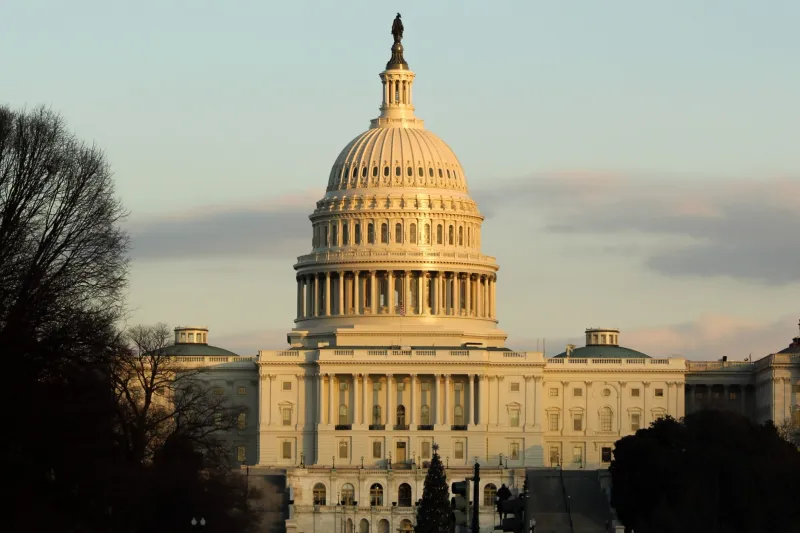
After the Ballots: Where State Capitols Will Shape Daily Life in 2027
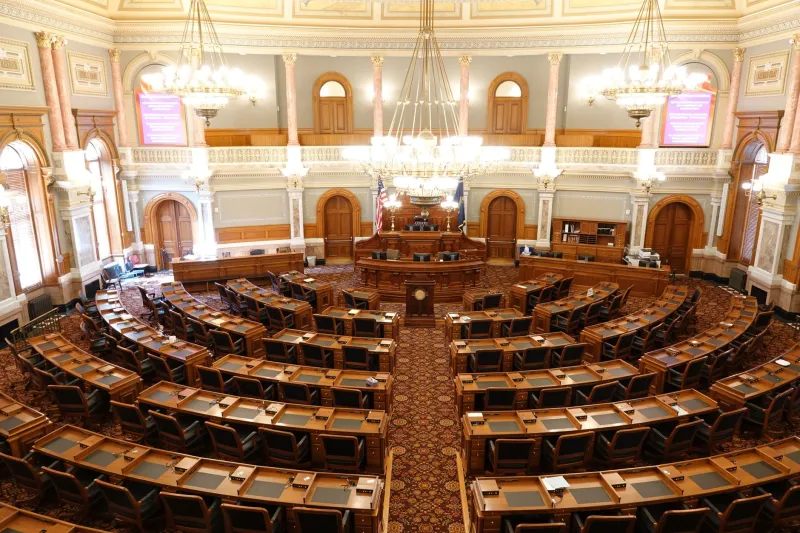
The 2026 midterm elections are over. The television ads have stopped, the yard signs are coming down, and Washington is already turning to the next fight. But for most Americans, the more consequential action is about to begin in state capitols, where governors, legislatures and ballot measures will shape the policies that touch daily life.
State government is not a minor league version of federal politics. States help fund schools, set zoning rules, regulate utilities, administer elections and decide how much residents pay in property and income taxes. When federal power is divided or slow to move, state capitols often become the places where policy actually changes. The 2026 elections settled control of dozens of governorships and legislative chambers, and in some states they altered the margins that determine which bills survive. The result is a 2027 agenda that will be argued in committee rooms, budget offices and statehouses far from the national spotlight.
Why State Capitols Matter More Than the Headlines
It is tempting to treat the midterms as a single national verdict. In practice, the results were a collection of state-level decisions about who writes budgets, who chairs committees and who can block a bill. Even where party control did not change, new margins can strengthen or weaken a governor's veto, shift a tax committee's balance or make a ballot measure more likely to reach voters.
For residents, the practical question is not simply which party won a headline. It is which proposals are already being drafted for the 2027 sessions. In many states, lawmakers pre-file bills weeks before they convene. Governors outline budget priorities in January. Agencies propose regulatory changes that never receive a floor vote but still affect rents, utility bills and wait times at local offices. The early months of a legislative session often matter more than the final weeks, because committee hearings and budget drafts set the boundaries of what is possible.
Housing: Zoning, Permits and the Cost of a Roof
Housing is likely to be one of the most visible state-level battlegrounds in 2027. States have increasingly debated whether to override local zoning rules, streamline building permits or tie transportation funding to new housing construction. The arguments are not abstract. They determine whether a starter home can be built near a job center, whether an apartment building can replace a vacant lot and how long a family waits for a permit.
Legislatures are also weighing tenant protections, rental inspection rules and property tax relief. Some proposals would make it easier to build accessory dwelling units. Others would limit local fees or require cities to approve certain housing types. Ballot measures could fund affordable housing or change how local governments approve development. For renters and homeowners, the outcomes will show up in lease renewals, home prices, construction timelines and property tax bills. Residents who want to follow the debate should watch state housing committees, local planning commissions and the budget language that often determines whether a program is funded.
Taxes: Relief, Shifts and Hidden Tradeoffs
Tax debates will be just as consequential. Several states are expected to consider income tax changes, property tax caps, sales tax adjustments and targeted credits. A tax cut can be popular, but the details matter: who receives the benefit, which local services absorb the cost and whether the change is temporary or permanent. Property tax relief is especially complicated because local governments rely on those revenues to fund schools, roads and emergency services.
For ordinary residents, the practical signals are withholding tables, assessment notices and local budget hearings. A state income tax change may affect a paycheck, while a property tax change may affect a mortgage escrow payment. Sales tax changes can alter the cost of everyday purchases. Lawmakers may also pair tax cuts with spending reductions or new fees, so voters should look beyond the headline rate. In states where ballot measures require supermajorities or specific revenue estimates, the fiscal note attached to a proposal can be as important as the campaign message.
Energy: Grid Rules and Household Bills
Energy policy is another area where state decisions reach directly into household budgets. States regulate utilities, approve power plant siting, set efficiency standards and decide how rooftop solar customers are compensated. In 2027, lawmakers and utility commissions are likely to face questions about grid reliability, rising demand from data centers, electric vehicle charging and the cost of hardening infrastructure against extreme weather.
These debates can sound technical, but they determine monthly electric bills and the reliability of service. A change in solar compensation rules affects how quickly a homeowner recovers an installation cost. A grid planning decision affects whether new transmission lines are built and who pays for them. Governors appoint utility commissioners, and legislatures often set the statutory rules those commissioners apply. Residents can track public utility commission dockets, attend hearings and follow state energy committees. The most important vote may not be on a sweeping bill; it may be a regulatory order that receives far less attention.
Election Administration: Rules After the Voting
The 2026 elections are over, but the rules for future elections are not settled. State legislatures will continue to debate voter identification requirements, mail voting deadlines, voter roll maintenance, post-election audits and the authority of local election officials. Some states may consider ballot measures that change registration systems or certification procedures. These proposals can be framed as technical fixes or as broader questions about access and confidence.
For voters, the effects are concrete: how easy it is to register, how early ballots can be requested, how quickly results are reported and how local clerks staff polling places. County officials implement much of what state lawmakers approve, so residents should pay attention to county election boards and secretaries of state as well as the legislature. Federal proposals may dominate cable news, but state law governs many of the details that determine how an election is actually run.
How Residents Can Track the Action
Following state policy does not require professional training, but it does require knowing where to look. Legislature websites post bill texts, committee calendars and floor schedules. Many states offer bill-tracking alerts. Governors publish budget proposals and veto messages. Ballot measure campaigns must file finance reports. Local newspapers and public radio stations often provide the most detailed coverage of statehouse debates.
The most useful habit is to ask where a proposal stands, not just whether it is popular. Is it in committee? Has it received a fiscal note? Has one chamber passed it? Is the governor threatening a veto? Those questions cut through the noise. The 2026 midterms may be over, but the policy fight that shapes housing, taxes, energy and elections is just starting in state capitols. For residents, that is where the next round of decisions will be made.